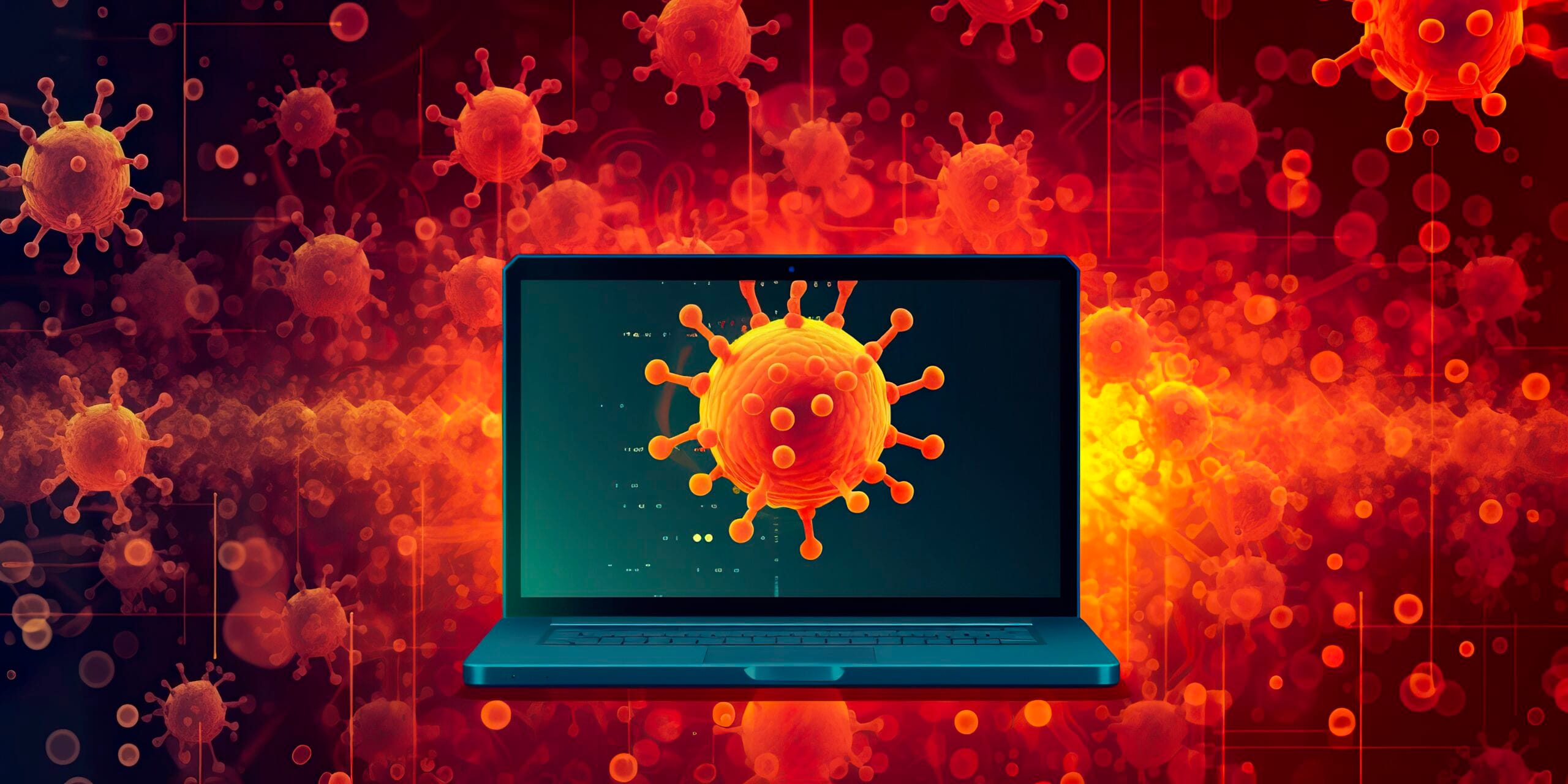
Protecting your devices from viruses and malware is more important than ever. Cyber threats are constantly evolving, and without proper precautions, you could become an easy target. In this blog post, we’ll explore how to prevent viruses and malware from infecting your devices and how to recognize the warning signs of an infection.
What Are Viruses and Malware?
Before diving into prevention and detection, it’s important to understand what these threats are. A computer virus is a type of malicious software (malware) designed to replicate itself and spread from one device to another. Malware includes a broader range of threats such as ransomware, spyware, adware, and Trojans. These programs can steal sensitive information, damage your files, or even lock you out of your own system.
How to Prevent Viruses and Malware
- Keep Software Updated
Hackers often exploit vulnerabilities in outdated software. Regularly update your operating system, browsers, and other applications to close security gaps. - Install Reliable Antivirus Software
Use trusted antivirus or anti-malware software to detect and remove threats. Ensure the software is set to update automatically to stay ahead of new threats. - Be Cautious with Email Attachments and Links
Avoid clicking on suspicious links or downloading attachments from unknown senders. Cybercriminals commonly use phishing emails to spread malware. - Use Strong Passwords
Create complex passwords and avoid reusing them across multiple accounts. Consider using a password manager to keep track of your credentials securely. - Enable a Firewall
A firewall acts as a barrier between your device and potential threats on the internet. Ensure your firewall is enabled at all times. - Avoid Untrusted Downloads
Only download software and files from reputable sources. Unofficial websites and free software downloads can hide malware. - Be Wary of Public Wi-Fi
Public Wi-Fi networks are often unsecured, making it easier for hackers to intercept your data. Use a Virtual Private Network (VPN) to encrypt your connection when accessing public networks. - Back Up Your Data
Regularly back up your files to an external hard drive or cloud storage. In case of an infection, having backups ensures you don’t lose important information.
How to Recognize If You’ve Been Infected
Even with precautions, infections are sometimes unavoidable. Here are common signs your device may be compromised:
- Sluggish Performance
If your device suddenly becomes slow or unresponsive, it could indicate malware is running in the background and consuming resources. - Frequent Pop-Ups or Ads
An increase in unwanted pop-up ads or being redirected to strange websites can be a sign of adware or spyware. - Unexplained Data Usage
Malware can use your internet connection to send data to hackers. Monitor your data usage for any unusual spikes. - Programs Crashing or Failing to Open
If applications frequently crash or fail to open, it might be due to a virus corrupting your files. - Unauthorized Changes
Look out for changes you didn’t make, such as new software installations, altered settings, or missing files. - Your Antivirus Is Disabled
Some malware disables antivirus software to avoid detection. If your antivirus suddenly stops working, investigate immediately. - Strange Emails or Messages Sent from Your Account
If friends or colleagues report receiving suspicious emails or messages from you, your account may be compromised.
What to Do If You’re Infected
If you suspect your device is infected, act quickly:
- Disconnect from the Internet to prevent further data theft or malware spread.
- Run a Full System Scan using your antivirus or anti-malware software.
- Remove Infected Files as directed by your security software.
- Change Your Passwords for sensitive accounts, especially if you suspect spyware.
- Seek Professional Help if the issue persists or if you’re dealing with ransomware.
Final Thoughts
Preventing viruses and malware requires a combination of vigilance, good habits, and reliable security tools. By staying informed and proactive, you can protect your personal and financial information from cybercriminals. Remember, the earlier you detect and address an infection, the less damage it can cause. Stay safe online!